An end-to-end, technology-enabled approach that integrates flood mitigation, river rehabilitation, waste interception and real-time monitoring into a single coordinated system restoring the Klang River.
LLSB manages a coordinated river-cleaning ecosystem that combines waste interception technologies, log booms, boat-based operations, continuous water-quality monitoring and downstream waste sorting. Together, these interventions address waste at multiple points along the Klang River and support long-term improvement in river conditions.
Channelled into river-cleaning initiatives
Waste removed between 2016 and 2025
Reduction in average monthly waste collection (1,367 MT → 528 MT)
Water quality improvement, with 58% of days at Class III or above in 2025
Log booms, Interceptors & continuous water-quality monitoring stations deployed
Pioneering Advanced Waste Interception in Malaysia
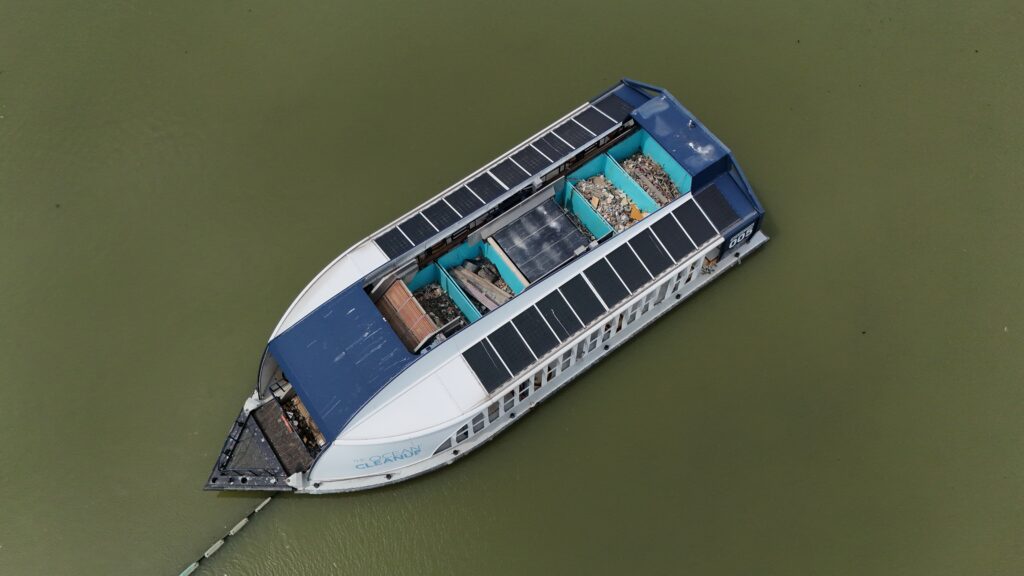
Developed by The Ocean Cleanup, the Interceptor is a fully solar-powered river cleaning technology designed to extract plastic and solid waste.
The deployment of the Interceptor system in Malaysia marked a significant milestone in advancing river rehabilitation technologies within the country. Sungai Klang was selected as a priority river for implementation due to its strategic importance as a major urban river system, high pollution load from upstream urban activities, and critical role within Selangor’s economic and development corridor.
Recognising these factors, LLSB — through its mandate under the Selangor Maritime Gateway (SMG) — facilitated the adoption and deployment of the Interceptor system as part of a broader, integrated river rehabilitation strategy.
Dredging operations to increase the river's capacity and improve water flow, reducing the risk of overflow during heavy rainfall.
Construction of protective barriers along the riverbank to manage overflow during periods of heavy rainfall and prevent erosion.
Optimisation of river flow using SPS technology to improve the overall performance of the river system and reduce flood risks.
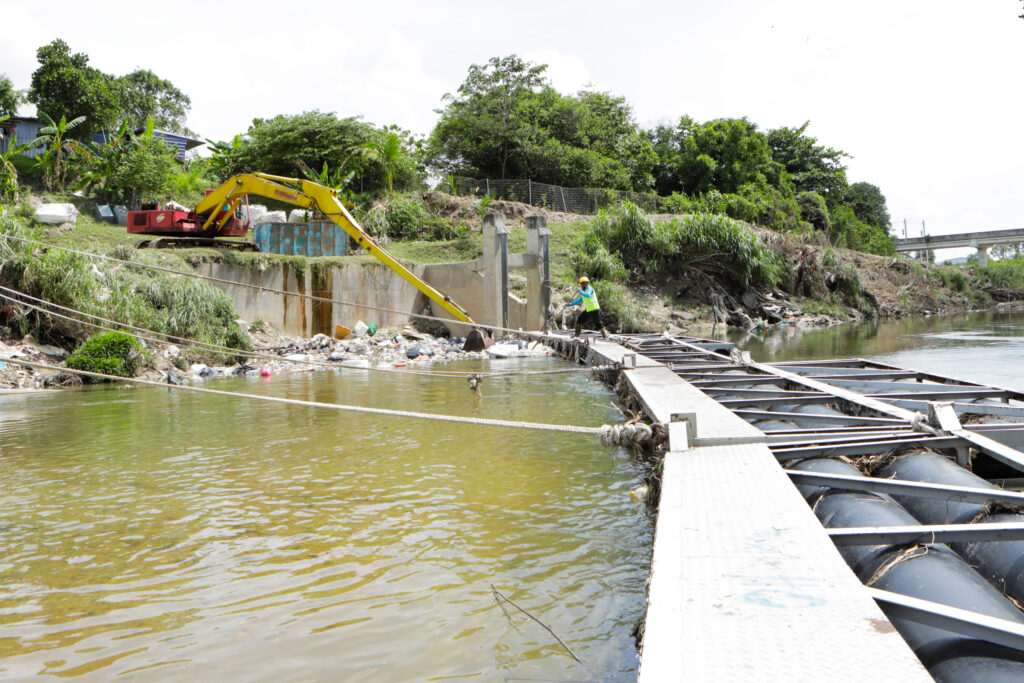
The Log Boom System is a hydraulically engineered river management solution designed to intercept, control, and consolidate floating debris across upstream and midstream river environments. As part of LLSB’s Integrated River Management System (IRMS), the Log Boom functions as a strategic containment and flow-guidance mechanism, ensuring efficient waste capture while maintaining optimal river flow dynamics.
From Passive Barrier to Engineered Solution
Unlike conventional floating barriers, LLSB’s Log Boom System is developed through hydraulic flow analysis and engineering studies, allowing each installation to be customised based on river-specific conditions:
The Water Quality Monitoring System (WQMS) is a 24/7 real-time monitoring platform that provides continuous data on river conditions. Installed at strategic locations, the system enables LLSB to monitor, analyse, and respond to changes in water quality with precision and speed.
From Passive Barrier to Engineered Solution
Unlike conventional floating barriers, LLSB’s Log Boom System is developed through hydraulic flow analysis and engineering studies, allowing each installation to be customised based on river-specific conditions:
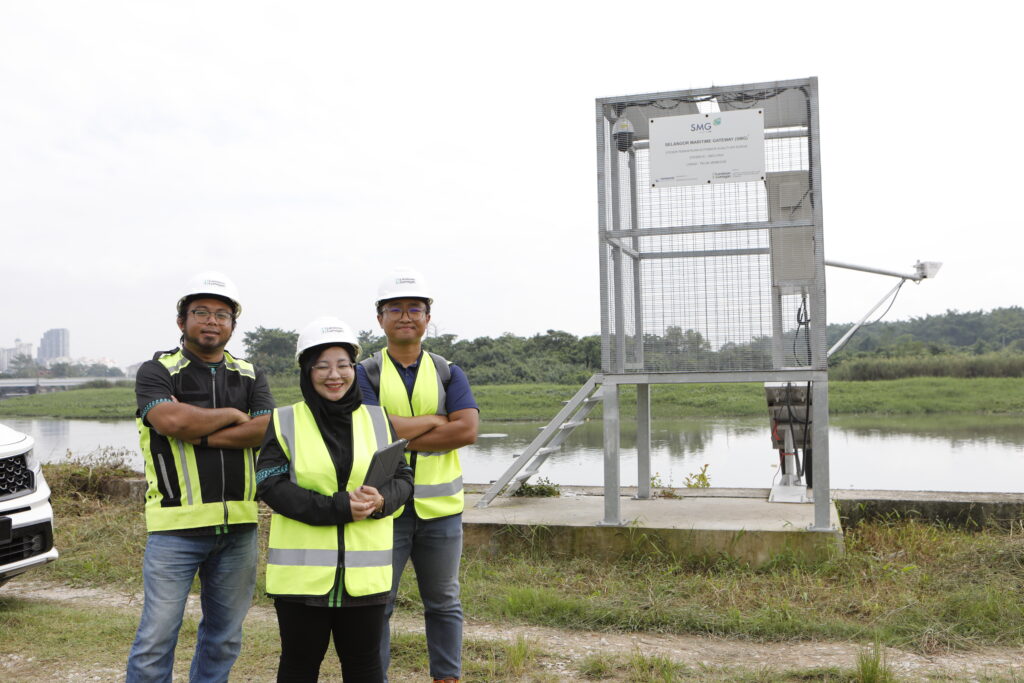
Since the implementation of SMG river rehabilitation efforts, water quality has shown measurable improvements — from Class V (highly polluted) to Class III (suitable for Irrigation & Fishery of Common species).
of recorded days showed water quality at Class III or above in 2025, reflecting a positive shift in overall river conditions.
The First Waste Sorting Facility Along the Klang River
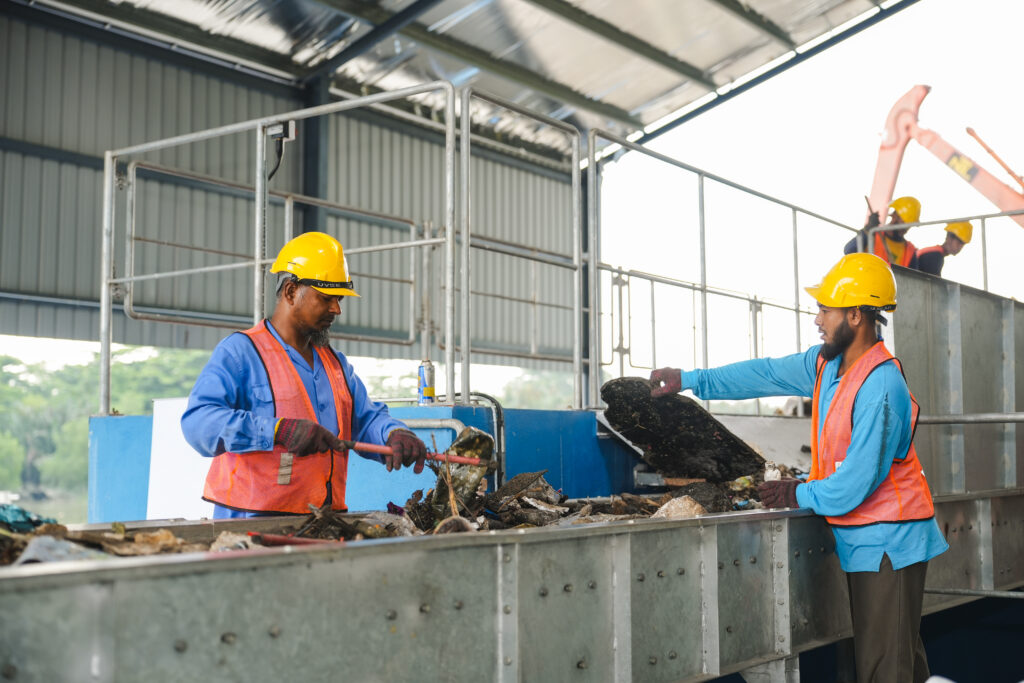
Launched in July 2025, the facility is a downstream processing hub for waste intercepted by Interceptor 002 and the adjacent Sungai Pinang log boom. Waste is manually separated into recyclable and non-recyclable streams, supporting better material recovery and Selangor’s transition towards a circular economy.
Located at Sungai Pinang, Klang, the facility was inaugurated in the presence of the Mayor of Klang, the NRES Secretary-General, the MBI Selangor Group CEO, and representatives from relevant agencies.
Following the major floods of 2021, the Selangor State Government strengthened its focus on flood-risk reduction across communities within the Klang River basin. The Integrated Water Resources Management (IWRM) flood mitigation programme commenced in 2022 and combines river dredging, deepening, widening and bund construction across 12 zones along the 56-kilometre corridor.
As of 2025, implementation is actively progressing in Blocks 1 and 3, covering some of the most critical flood-affected areas, including Taman Sri Muda, Kota Kemuning, Section 17, and Section 24 — supporting more than two million residents along the ZPE SMG corridor.
Taman Sri Muda
Kota Kemuning
Section 17
Section 24
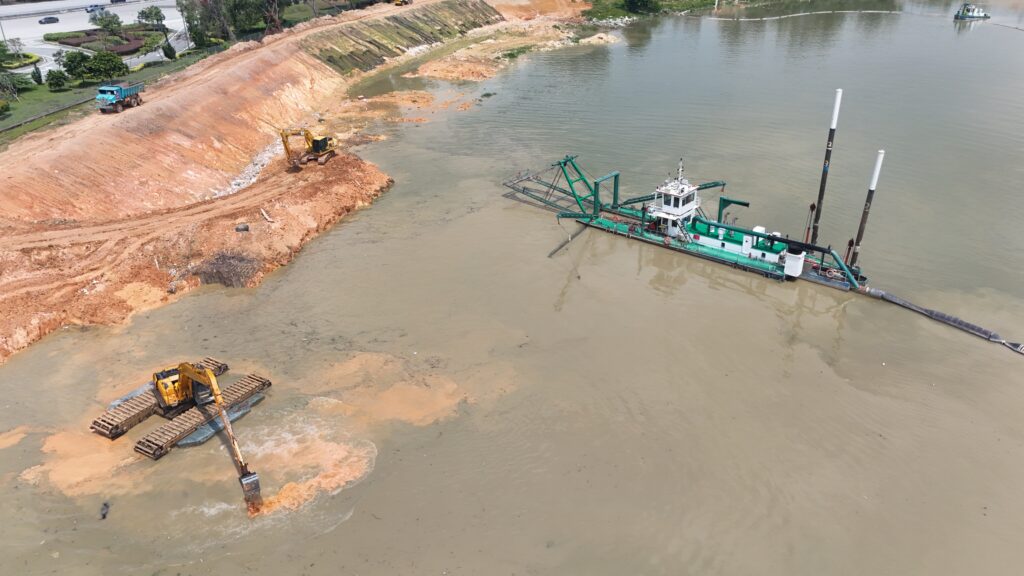
The programme focuses on increasing river capacity by up to 40%, while strengthening overall flood resilience and enhancing environmental sustainability along the Klang River corridor.
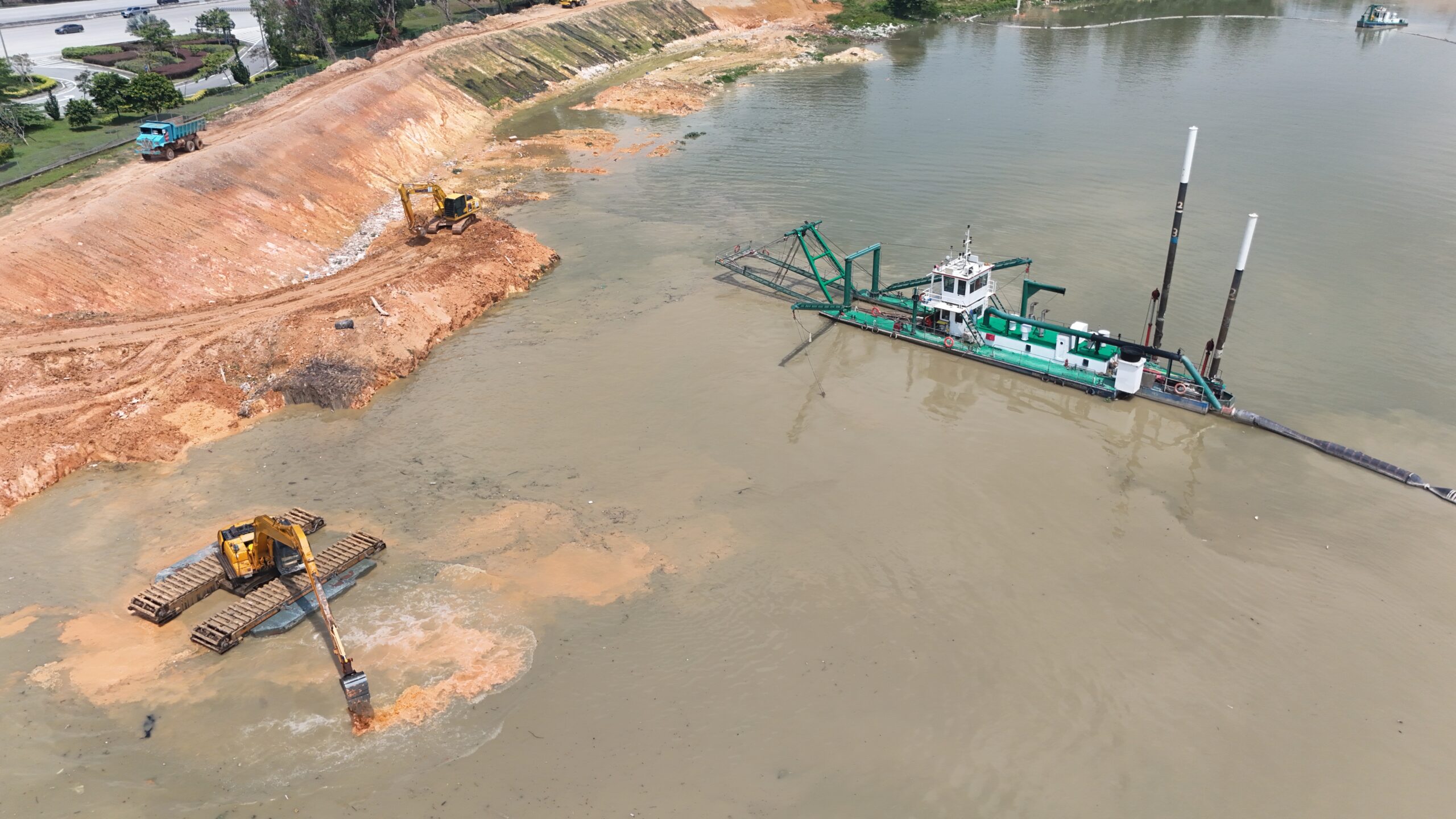
Dredging operations to increase the river's capacity and improve water flow, reducing the risk of overflow during heavy rainfall.
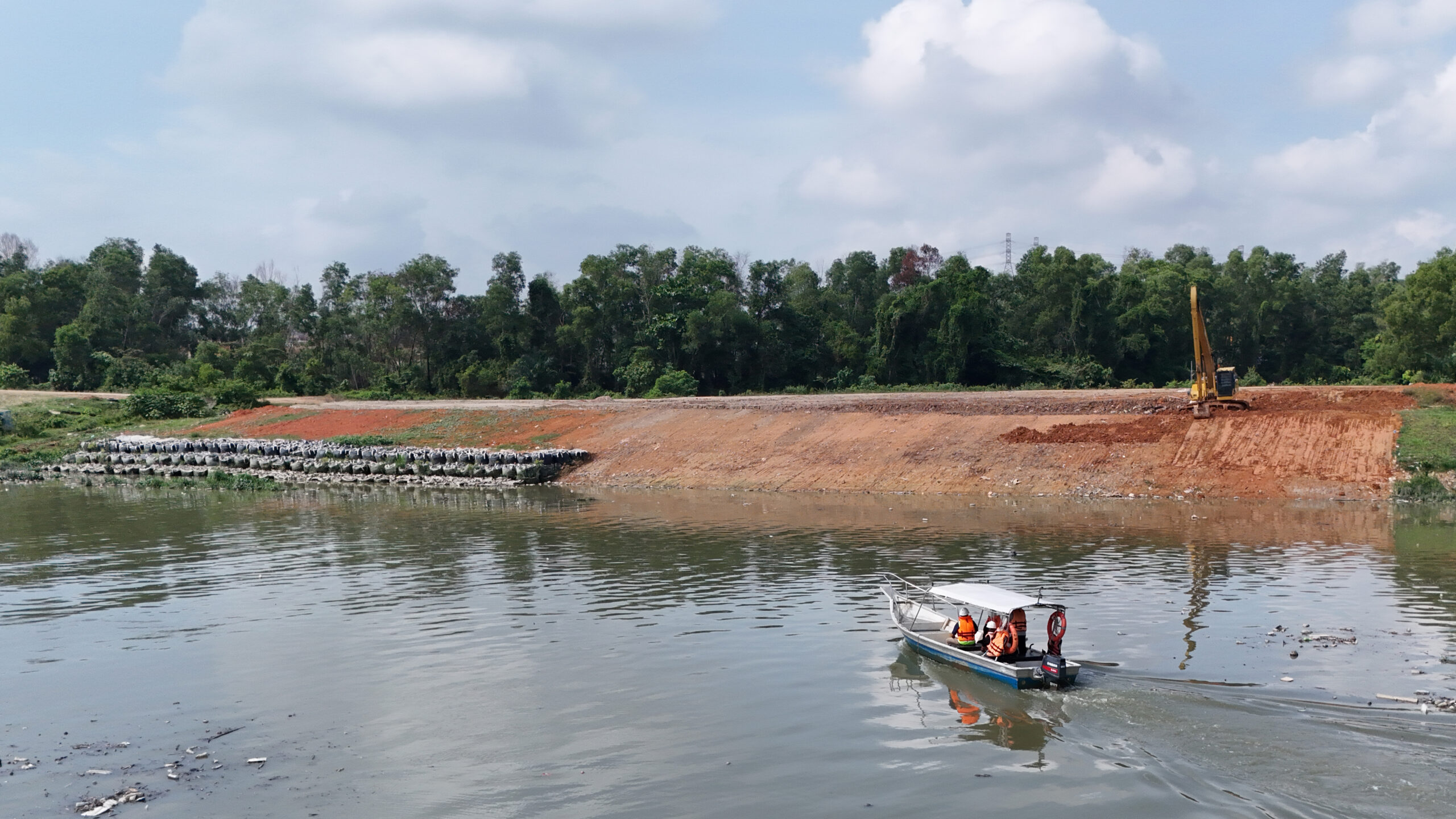
Construction of protective barriers along the riverbank to manage overflow during periods of heavy rainfall and prevent erosion.
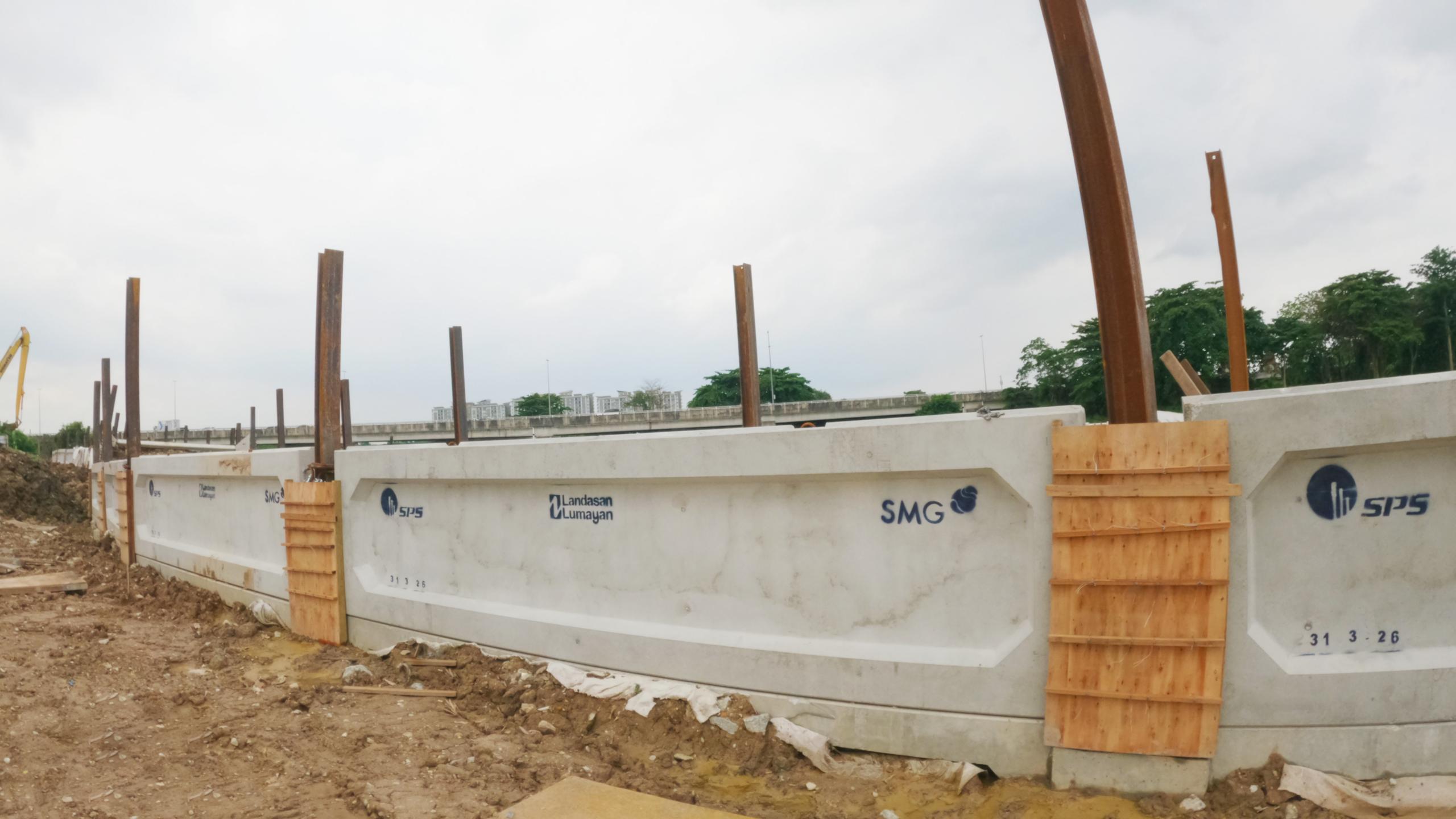
Optimisation of river flow using SPS technology to improve the overall performance of the river system and reduce flood risks.
Significant improvement in water flow
Investment in infrastructure
Zones 6, 7, and 8
Riverbank strengthening
Schematic Precast System — A Scalable Infrastructure Delivery Solution
As the sole distributor of Schematic Precast System (SPS) technology in Malaysia, LLSB offers this modular construction system as a scalable infrastructure solution for deployment locally and across regional and international markets.
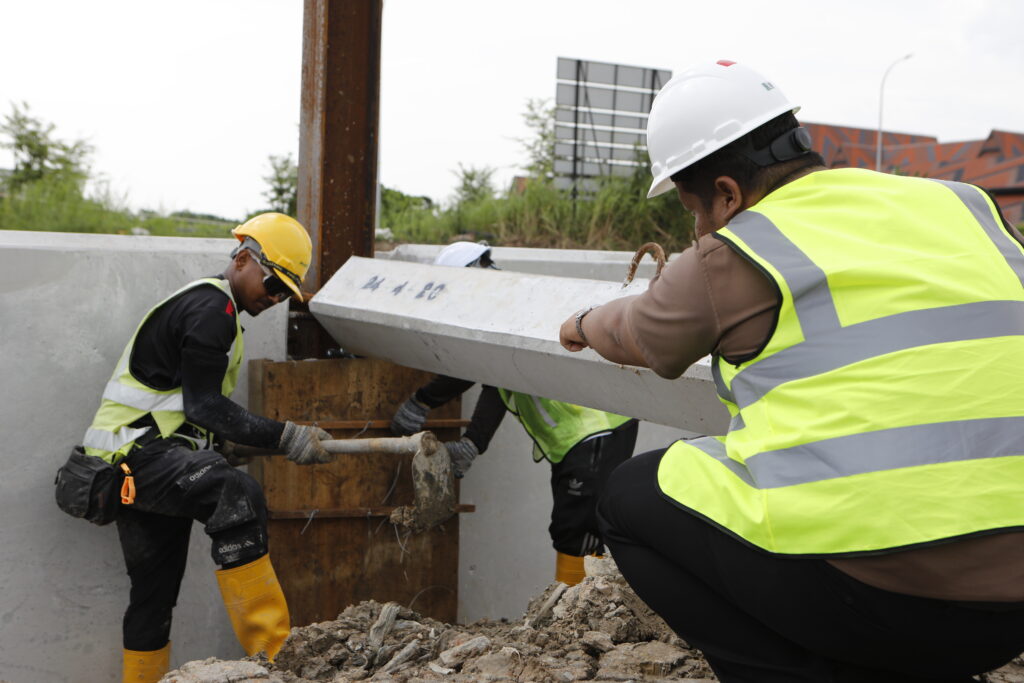
A modular precast concrete system designed to enhance structural integrity, accelerate construction timelines, and improve long-term durability of riverbank and water infrastructure works.
Significantly reduces construction timelines compared to traditional methods.
Minimises impact on surrounding ecosystems during construction.
Improves long-term cost efficiency through durable, low-maintenance solutions.
Scalable solution for large-scale infrastructure projects across regions.