A comprehensive, technology-enabled framework that combines river rehabilitation, waste interception, and real-time monitoring into a single, coordinated system.
Pioneering Advanced Waste Interception in Malaysia
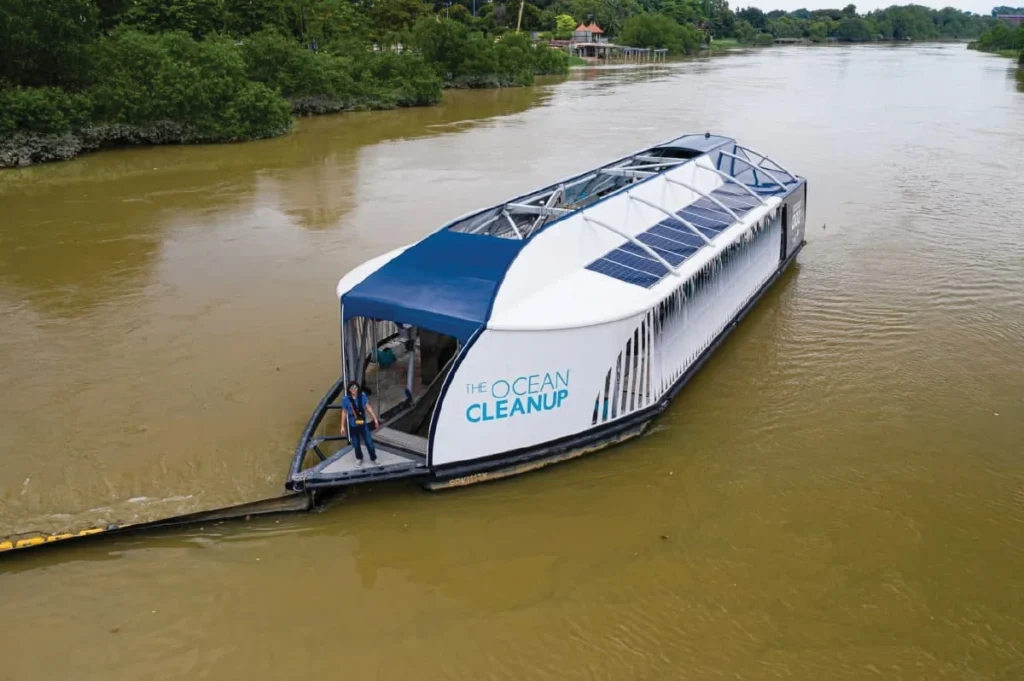
Developed by The Ocean Cleanup, the Interceptor is a fully solar-powered river cleaning technology designed to extract plastic and solid waste.
The deployment of the Interceptor system in Malaysia marked a significant milestone in advancing river rehabilitation technologies within the country. Sungai Klang was selected as a priority river for implementation due to its strategic importance as a major urban river system, high pollution load from upstream urban activities, and critical role within Selangor’s economic and development corridor.
Recognising these factors, LLSB — through its mandate under the Selangor Maritime Gateway (SMG) — facilitated the adoption and deployment of the Interceptor system as part of a broader, integrated river rehabilitation strategy.
Dredging operations to increase the river's capacity and improve water flow, reducing the risk of overflow during heavy rainfall.
Construction of protective barriers along the riverbank to manage overflow during periods of heavy rainfall and prevent erosion.
Optimisation of river flow using SPS technology to improve the overall performance of the river system and reduce flood risks.
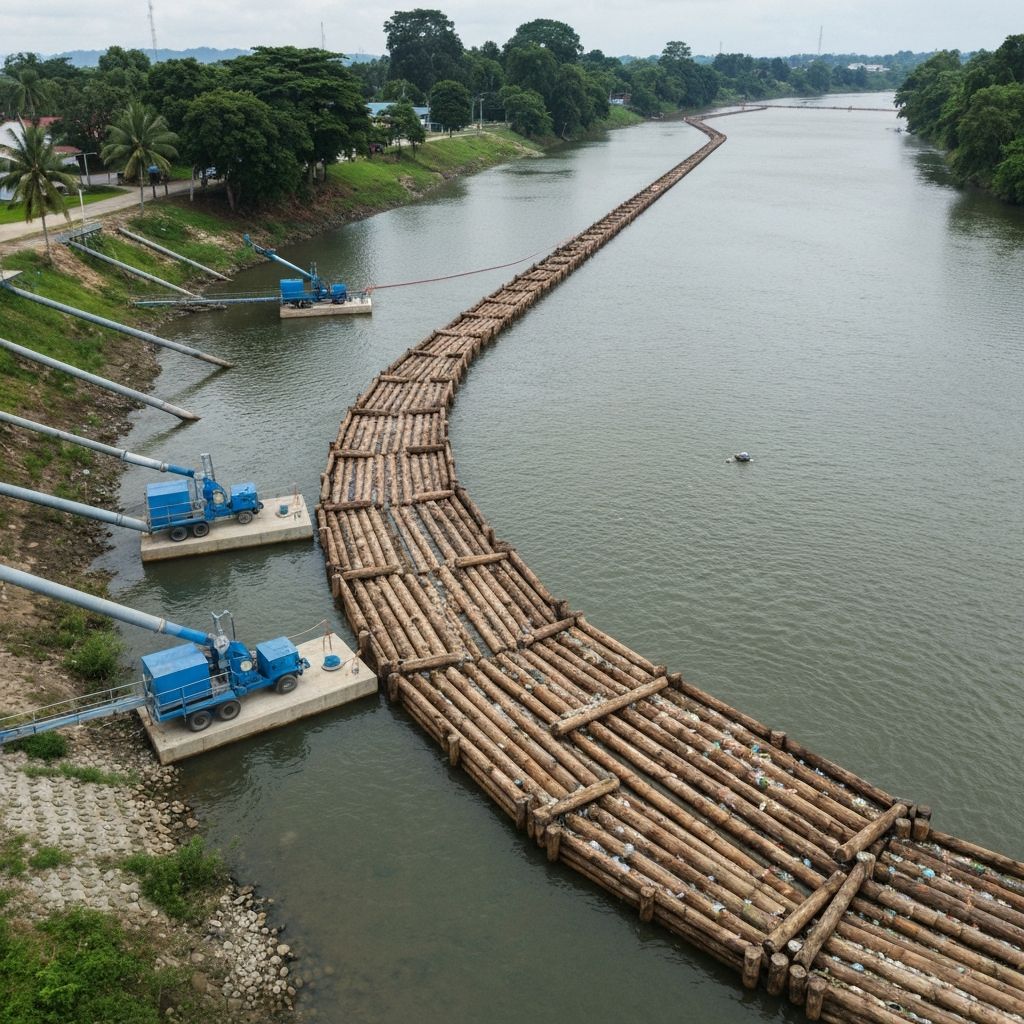
The Log Boom System is a hydraulically engineered river management solution designed to intercept, control, and consolidate floating debris across upstream and midstream river environments. As part of LLSB’s Integrated River Management System (IRMS), the Log Boom functions as a strategic containment and flow-guidance mechanism, ensuring efficient waste capture while maintaining optimal river flow dynamics.
From Passive Barrier to Engineered Solution
Unlike conventional floating barriers, LLSB’s Log Boom System is developed through hydraulic flow analysis and engineering studies, allowing each installation to be customised based on river-specific conditions:
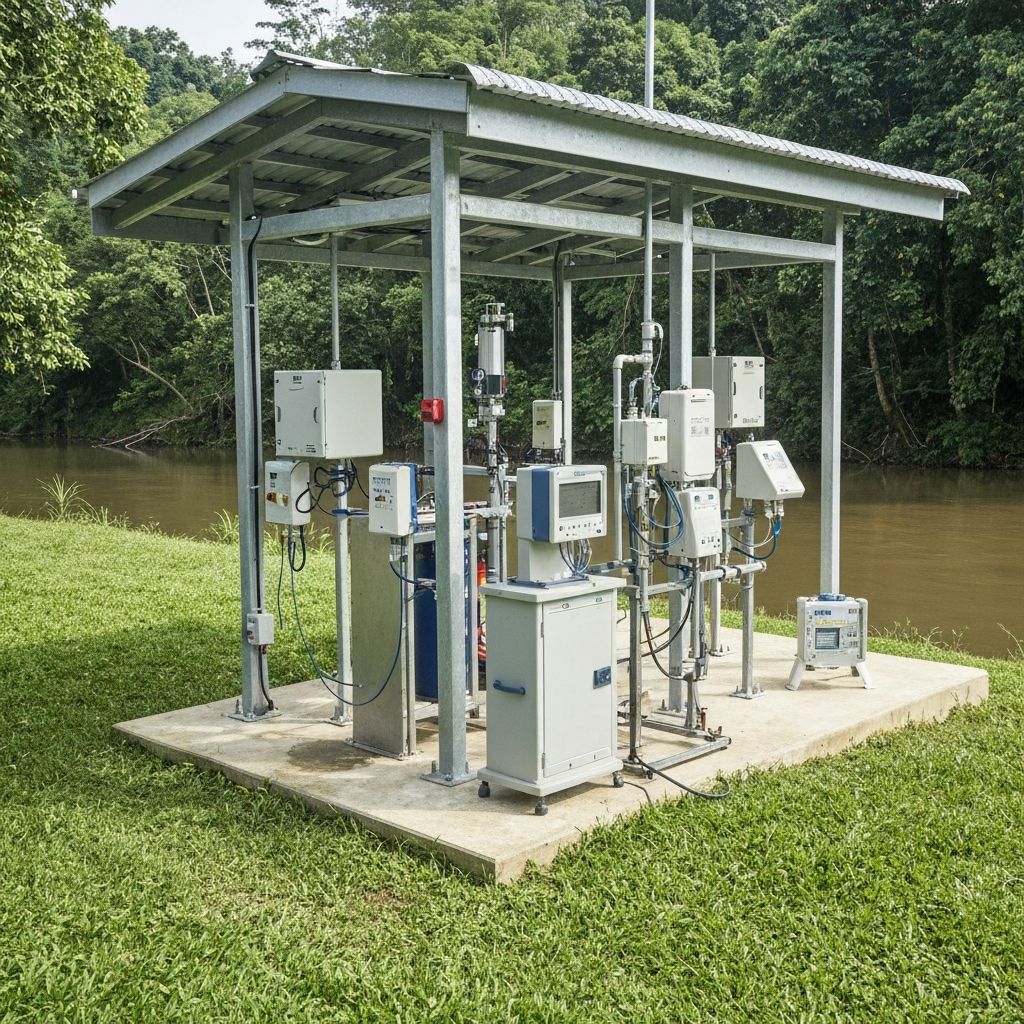
The Water Quality Monitoring System (WQMS) is a 24/7 real-time monitoring platform that provides continuous data on river conditions. Installed at strategic locations, the system enables LLSB to monitor, analyse, and respond to changes in water quality with precision and speed.
From Passive Barrier to Engineered Solution
Unlike conventional floating barriers, LLSB’s Log Boom System is developed through hydraulic flow analysis and engineering studies, allowing each installation to be customised based on river-specific conditions:
Since the implementation of SMG river rehabilitation efforts, water quality has shown measurable improvements — from Class V (highly polluted) to Class III (suitable for Irrigation & Fishery of Common species).
of recorded days showed water quality at Class III or above in 2025, reflecting a positive shift in overall river conditions.